The case for bringing back the tram
Alexandria kept hers. The argument for Cairo is getting louder.
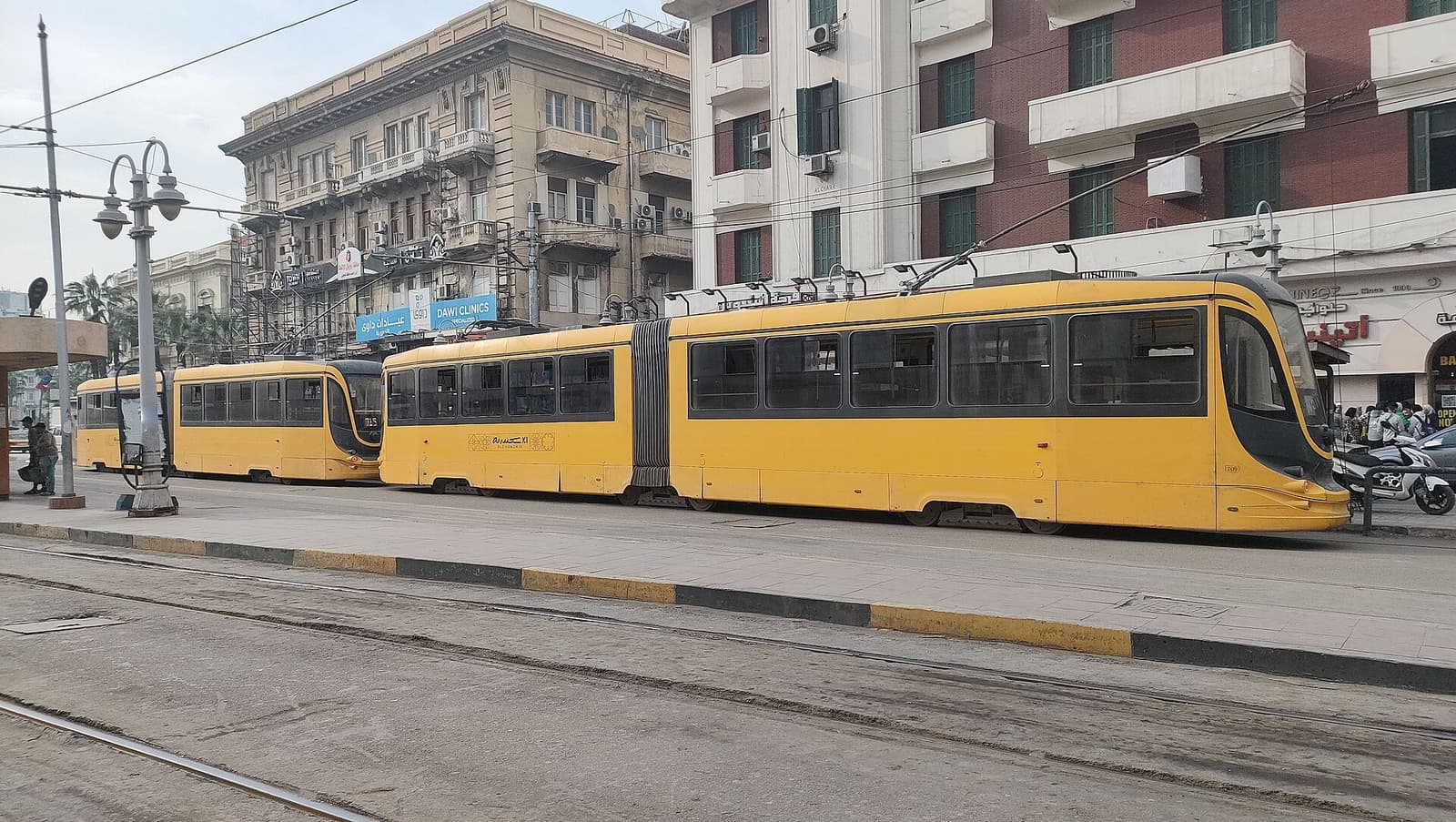
The first thing you notice is the quiet. Not silence exactly - this is still Cairo - but a change in the texture of the noise, the particular absence of a sound the neighbourhood had lived with for so long that nobody could remember being bothered by it.
That absence is the whole story, and it took three years, a great deal of money and an argument that is still not entirely settled to produce it.
How it started
The proposal had been circulating in one form or another since the late nineties, which is roughly how long it takes for an idea of this size to move from a planning document to a hole in the ground. Each version was slightly less ambitious than the one before it.
We were not solving a transport problem. We were solving an argument about what the street is for - and those take longer.
What finally moved it was not a new study or a change in leadership but something considerably more ordinary: the numbers stopped working. The old arrangement cost more to maintain each year than it returned, and once that crossed a threshold the conversation changed shape entirely.
What changed on the ground
Ask ten people along the route and you will get ten answers, but they cluster. Journey times are down, though not by as much as the projections promised. Foot traffic past the shopfronts is up, sharply, and several owners who opposed the work now describe it as the best thing that has happened to the block.
- Average journey time fell by nineteen minutes against a projected twenty-eight.
- Retail foot traffic along the corridor rose by roughly a third.
- Three of the eleven feeder routes have been discontinued as redundant.
The third of those is the one that generates the letters. Redundant is a word that means something specific to a planner and something else entirely to somebody whose route it was.
What comes next
There are four more phases on the map, and the map is optimistic. The funding is secured for two of them. The remaining two depend on a set of assumptions about the next five years that everybody involved describes, carefully, as ambitious.
Still: the quiet is real, the shops are fuller, and the argument about what the street is for has, for now, been settled in one direction. That is more than most plans of this size manage.